


Home EV Charging Station Installation in Boynton Beach, Palm Beach and Broward Counties
Charge faster, safer, and more conveniently at home. Our licensed electricians install Level 2 EV chargers with clean, code-compliant work you can trust.
Licensed & Insured Electricians
Upfront Pricing & No Surprises
Safe, Code-Compliant Installations
Home EV Charging Station Installation in Boynton Beach, Palm Beach and Broward Counties
Charge faster, safer, and more conveniently at home. Our licensed electricians install Level 2 EV chargers with clean, code-compliant work you can trust.
Licensed & Insured Electricians
Upfront Pricing & No Surprises
Safe, Code-Compliant Installations
Keeping You Connected & Cool
Home EV Charging Station Installation in Boynton Beach, Palm Beach and Broward Counties
Level 2 Home EV Charger Installation
Dedicated 240-Volt Charging Circuits
Electrical Panel Capacity Evaluations
Same-Day Service Available
100% Guarantee on All Work
Why Homeowners Call Cool Cats Cooling
Home EV Charging Specialists
Residential charger installation, dedicated charging circuits and electrical capacity evaluations.
Same-Day Service Available
Same-day scheduling is available for many residential electrical evaluations and installation needs.
Serving Palm Beach and Broward Counties
Local residential electrical service from Boynton Beach across the listed South Florida communities.
100% Guarantee on All Work
Every completed Cool Cats Cooling project is protected by the company's 100% guarantee.
Can Cool Cats Cooling Install an EV Charger at My Home?
Yes. Cool Cats Cooling installs residential Level 2 EV charging stations, dedicated 240-volt circuits and related electrical equipment throughout Palm Beach and Broward Counties.
We evaluate the charger specifications, parking location, wiring route and electrical panel capacity before recommending the installation. When additional capacity is needed, we can discuss a
dedicated circuit, subpanel or
electrical panel upgrade.
Charge Your Electric Vehicle
at Home
A home EV charging station gives you a convenient place to recharge your vehicle while it is parked in your garage, carport or driveway.
Instead of planning every trip around public charging locations, you can connect your vehicle when you arrive home and prepare it for your next drive.
The right charging setup depends on several factors:
- Your vehicle's charging capabilities
- The charging equipment you plan to use
- Your typical daily driving distance
- The time available for charging
- Your parking location
- The distance from the charger to the electrical panel
- Your home's existing electrical demand
- The available capacity in your electrical panel
Cool Cats Cooling reviews these factors and recommends an electrical installation suited to your home, vehicle and charging goals.
Complete Residential EV Charging Installation Services
Cool Cats Cooling handles the electrical work required to add, replace or troubleshoot a home EV charging station. Your installation may include one or more of the following services.
Level 2 Home Charging Station Installation
Install wall-mounted Level 2 charging equipment in a garage, carport, driveway or other approved residential parking location.
Add a dedicated electrical circuit sized according to the charging equipment, manufacturer specifications and approved installation plan
Hardwired Charger Connections
Connect compatible charging equipment directly to the home's electrical system when a hardwired installation is selected.
Receptacle-Based Charger Connections
Install an approved receptacle and dedicated circuit when the selected charging equipment uses a plug-in connection and the installation allows it.
Garage EV Charger Installation
Place charging equipment where the connector can reach the vehicle without creating unnecessary cable obstructions.
Carport and Exterior Installation
Install properly selected charging equipment in covered or exterior locations. Exterior equipment must be rated for the conditions in which it will be installed.
Electrical Panel Capacity Evaluations
Evaluate the existing electrical panel, available circuit space and home electrical demand before adding the charger.
Upgrade outdated, damaged or undersized equipment when the existing electrical system cannot support the proposed charging load.
Subpanel Installation
Add a subpanel when it is an appropriate part of the approved electrical design.
EV Charger Replacement
Remove and replace outdated, damaged or incompatible charging equipment while evaluating the existing circuit and connection.
Identify electrical problems involving a charger circuit, breaker, receptacle, wiring connection or available power supply.
EV-Ready Garage Wiring
Prepare a garage or parking area for a planned electric vehicle purchase, renovation or new residential construction project.
Planning for Multiple Electric Vehicles
Evaluate parking locations, electrical demand and available panel capacity when a household needs charging access for more than one electric vehicle.
Should You Choose Level 1 or Level 2 Home Charging?
The charging equipment that works for one household may not meet the needs of another. Your driving habits, vehicle battery, parking schedule and home electrical system should all be considered.
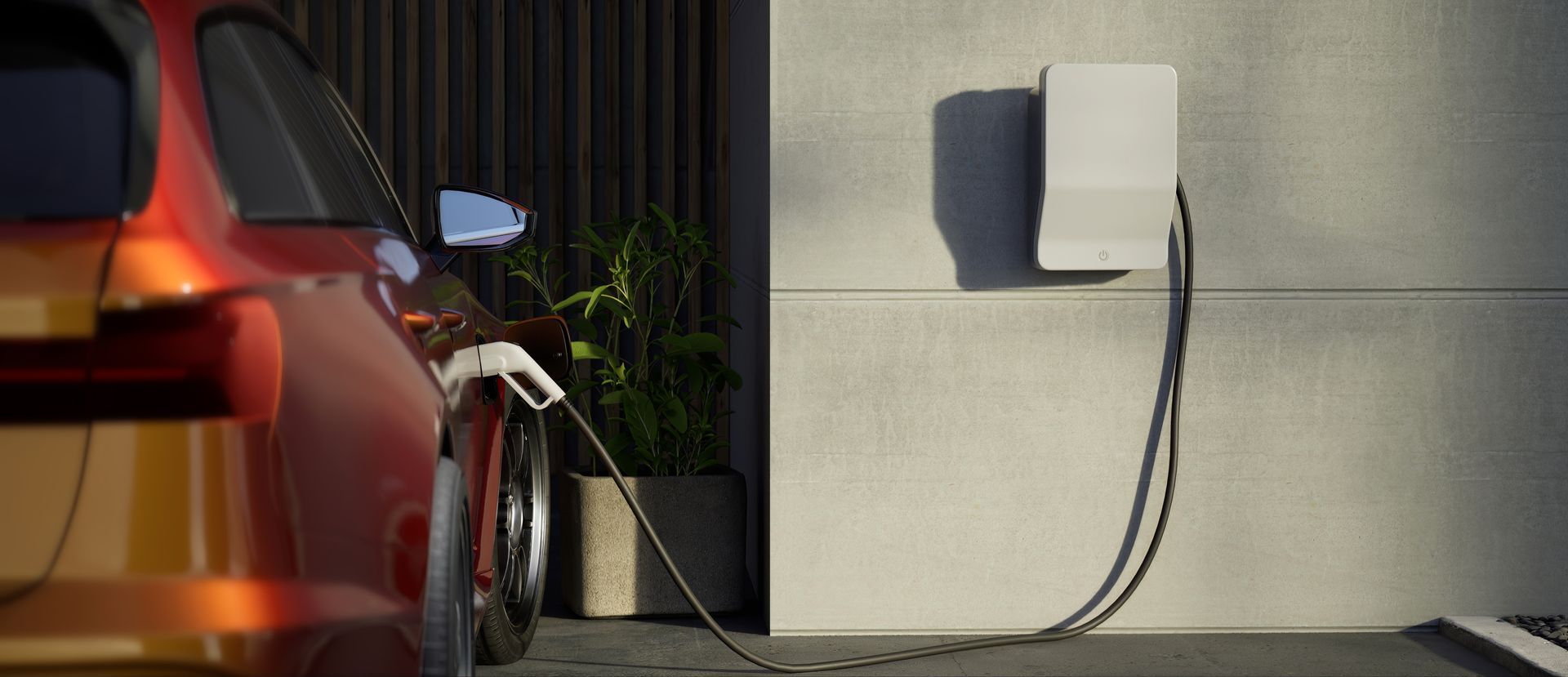
Level 1 Home Charging
Level 1 charging commonly uses a standard 120-volt electrical connection.
It may be suitable for some plug-in hybrid vehicles, drivers with limited daily mileage or vehicles that remain parked for long periods.
Before using an existing outlet for regular vehicle charging, the circuit and outlet should be evaluated to determine whether they are appropriate for the intended charging equipment and continuous use.
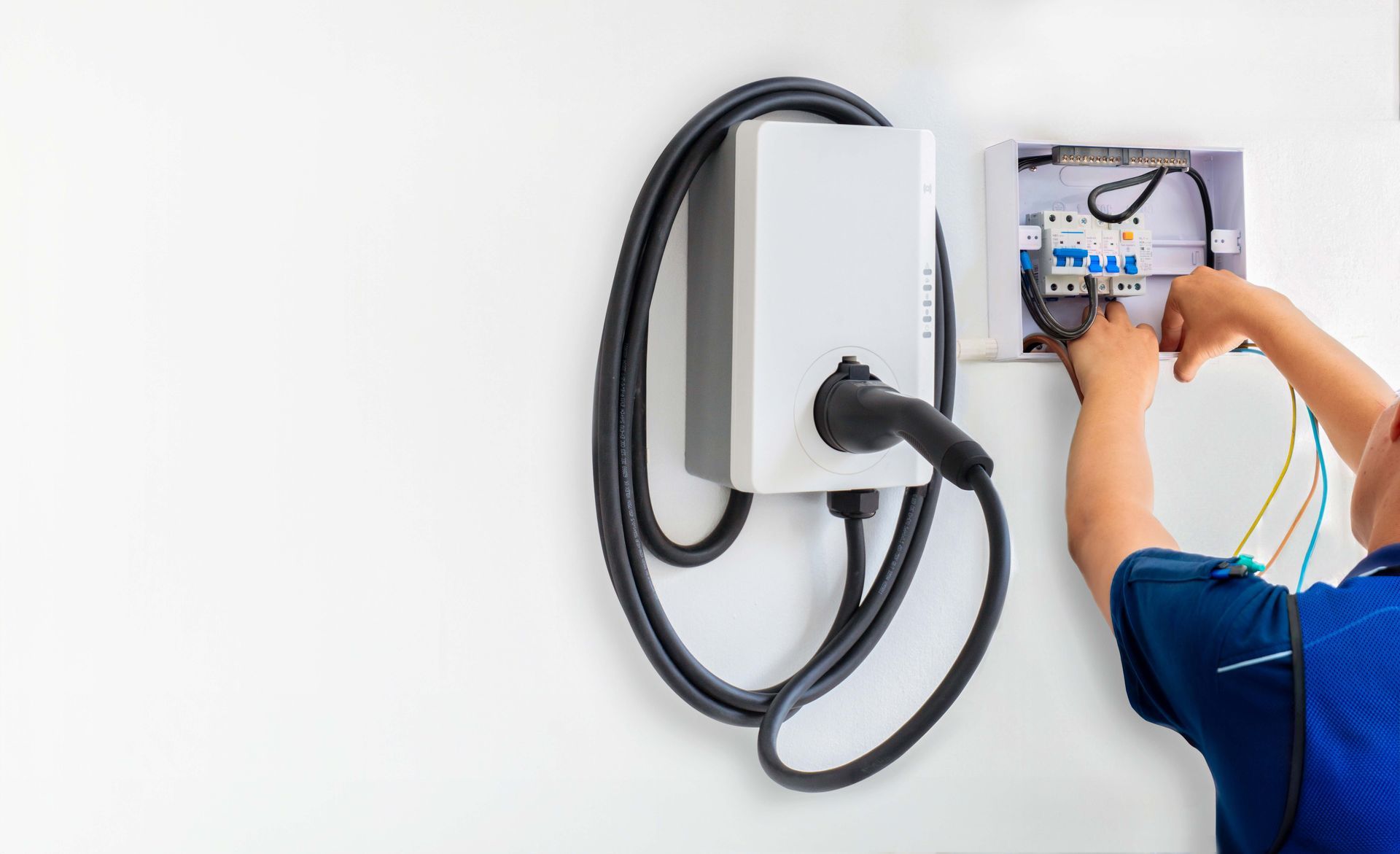
Level 2 Home Charging
Level 2 charging uses a 240-volt electrical supply and is a common residential choice for homeowners who want faster charging than a standard 120-volt connection can provide.
A Level 2 installation normally requires charging equipment, a properly sized dedicated circuit and sufficient electrical capacity. The exact circuit and installation requirements depend on the selected charger and vehicle.
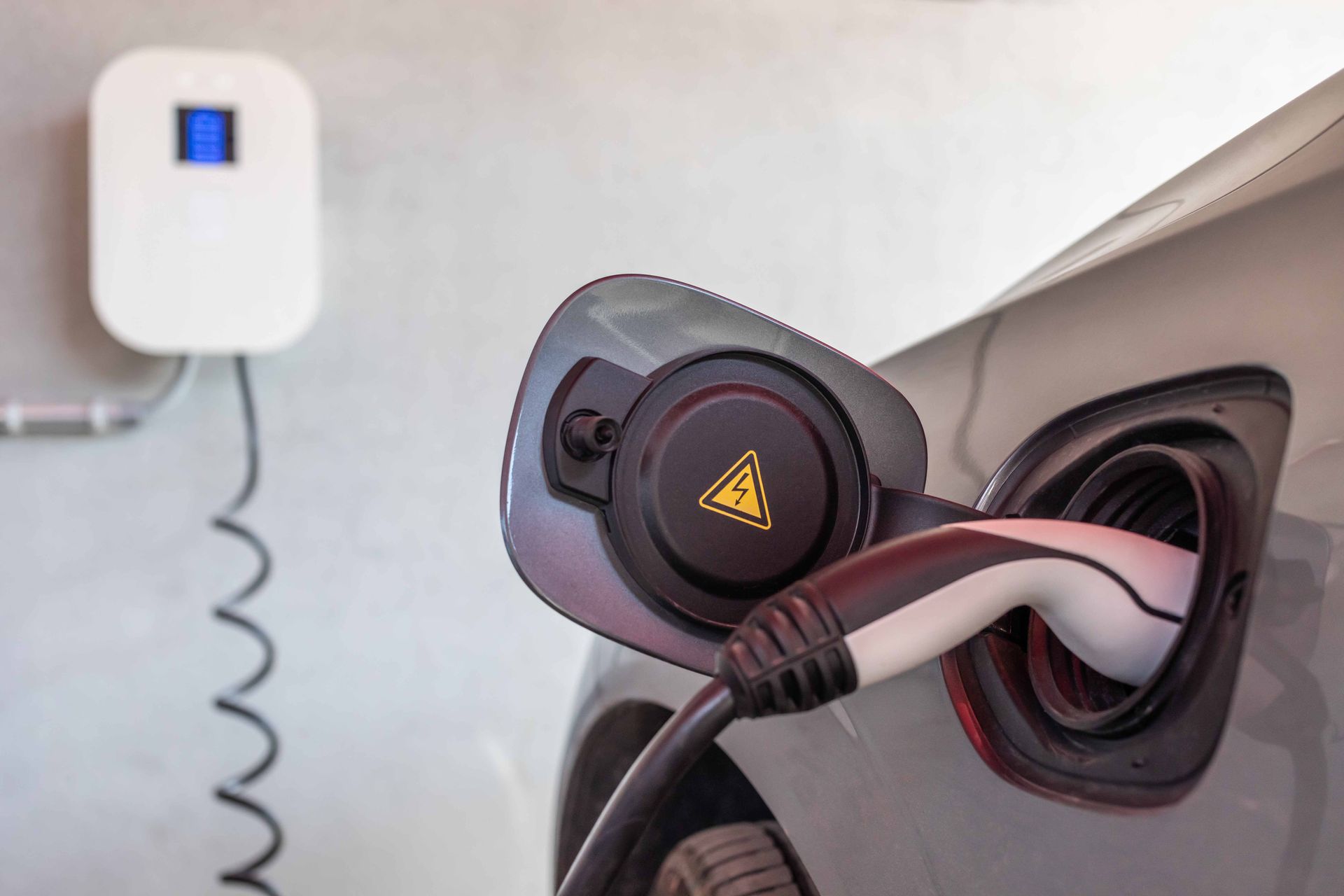
DC Fast Charging
DC fast charging is primarily used for public, highway, fleet and commercial charging locations. Its electrical demands and equipment requirements generally make it different from a typical residential charging project.
Cool Cats Cooling can evaluate your home and help you understand which residential charging option fits your vehicle and daily routine.
Can Your Electrical Panel Support an
EV Charger?
Possible solutions may include a new dedicated circuit, a subpanel, an electrical panel replacement or an electrical service capacity upgrade.
Cool Cats Cooling will explain what is needed for your proposed charging station before the work is approved.
An EV charging station adds a significant electrical load to your home. The available capacity must be evaluated before selecting the final charger circuit and installation plan.
The panel's labeled amperage is only one part of the evaluation. The electrician must also consider the home's existing electrical demand, panel condition, available breaker space, charger specifications and other equipment connected to the system.
Your home may need additional electrical work when:
- The panel has no open circuit space
- Existing electrical demand is already high
- Breakers trip when major equipment operates
- The panel contains outdated or damaged components
- The panel shows rust, corrosion, heat damage or deterioration
- The proposed charger requires more capacity than the existing system can provide
- The garage or parking location is far from the electrical panel
- You plan to add a second EV charger
- You are also adding air conditioning equipment, a generator, pool equipment or major appliances
Learn more about Electrical Panel Upgrades.
Choosing the Best Location for Your Home EV Charger
A thoughtful location can make daily charging easier while reducing unnecessary wiring and installation complications.
Charger placement affects convenience, cable reach, installation complexity and the amount of wiring needed.
The best location is usually close to the vehicle's regular parking position while allowing the charging connector to reach the vehicle without stretching across walkways or creating an avoidable obstruction.
Cool Cats Cooling considers:
- Whether the vehicle is parked in a garage, carport or driveway
- The location of the vehicle's charging port
- Charging cable length
- Distance from the electrical panel
- Wall space for mounting equipment
- Exposure to rain, sun and other outdoor conditions
- The need to protect the charger from vehicle impact
- Pedestrian paths and garage access
- Current and future vehicle parking arrangements
- Whether the home may need a second charging connection later
Hardwired or Plug-In EV Charger Installation
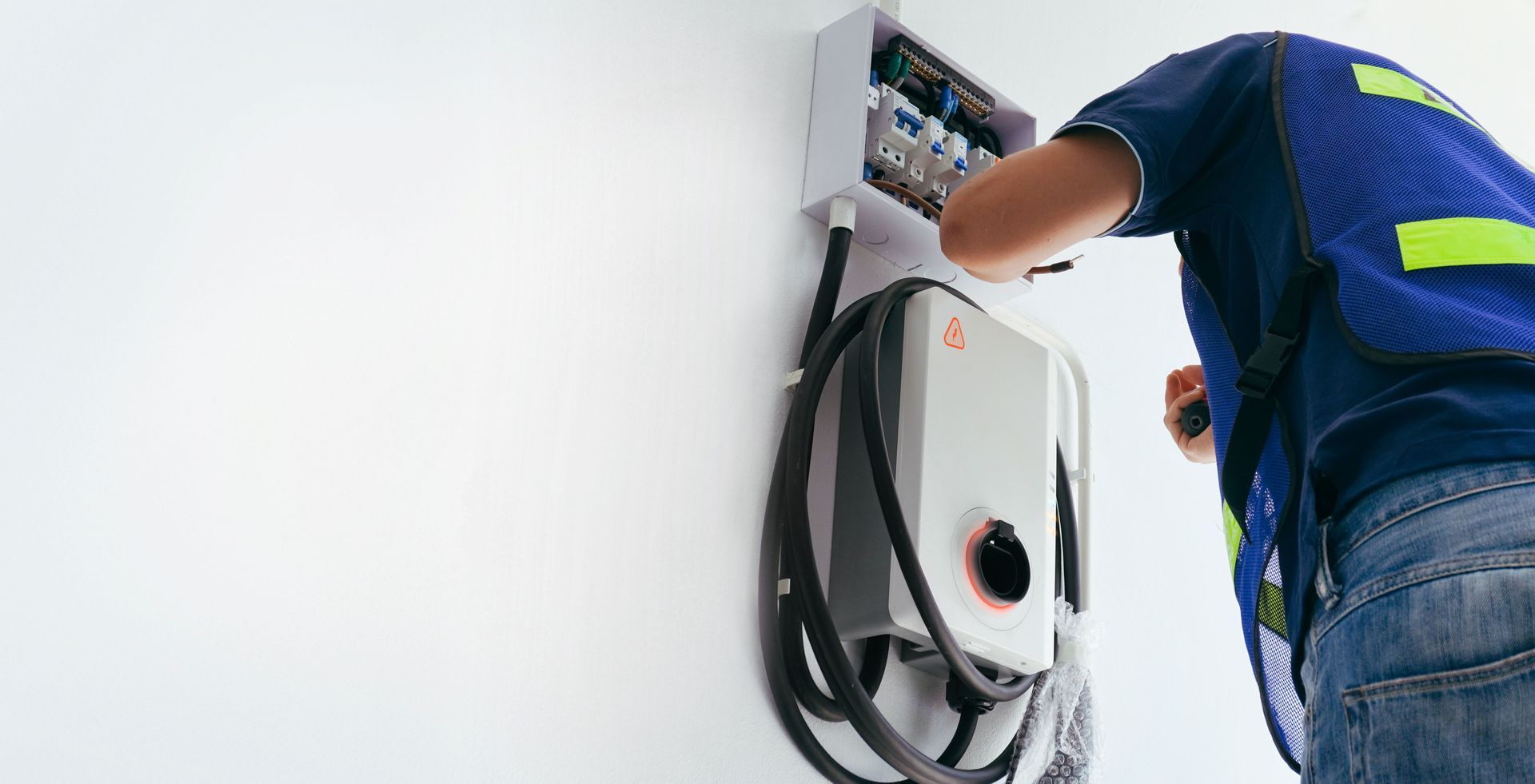
Hardwired EV Chargers
A hardwired charger connects directly to the home's electrical system.
This option removes the need for a charging receptacle and may be preferred for certain chargers, higher-output installations or exterior locations.
The equipment specifications and approved installation plan determine whether hardwiring is appropriate.
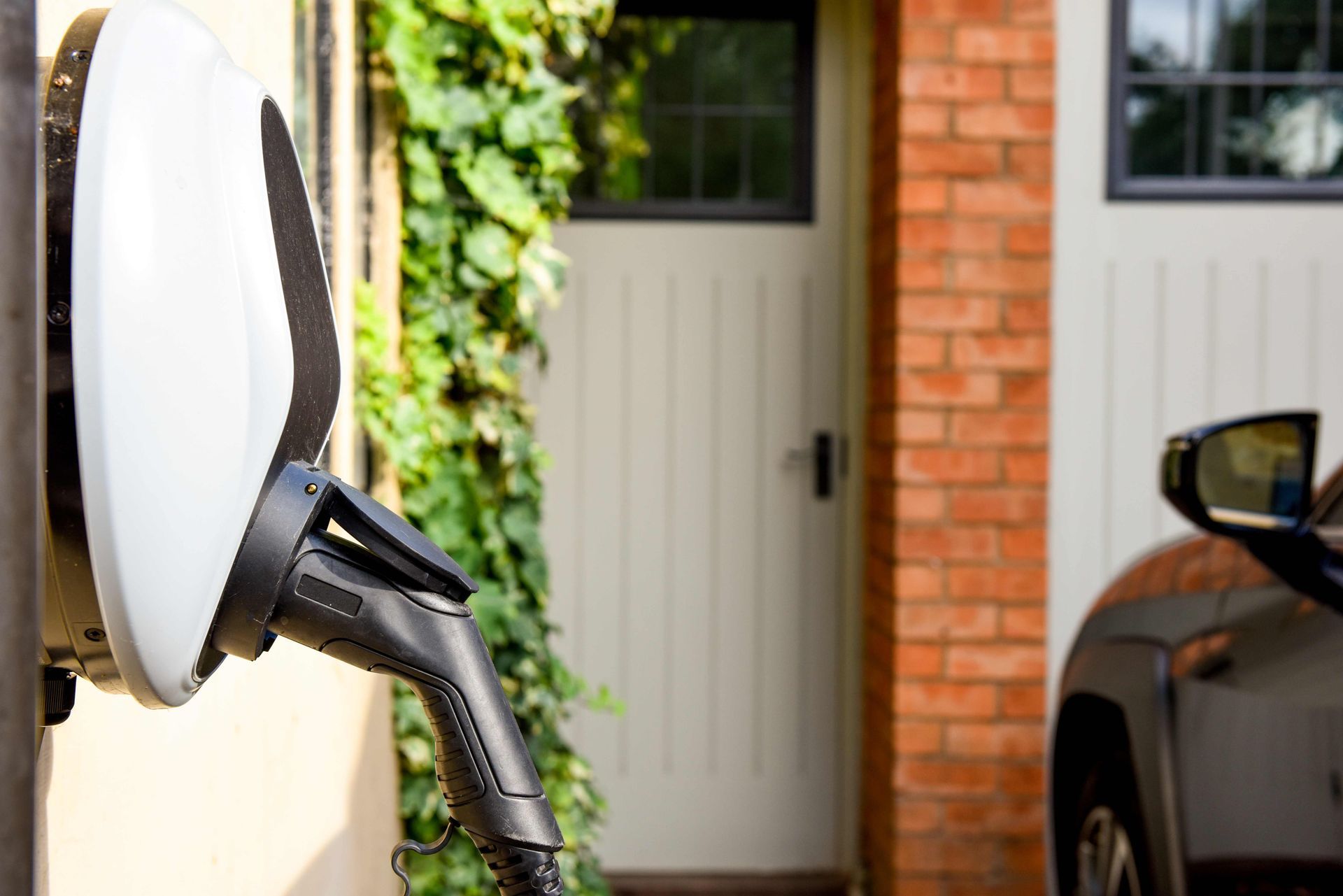
Plug-In EV Chargers
A plug-in charger connects to a compatible receptacle installed on a dedicated circuit.
The receptacle, wiring, breaker and charging equipment must be selected and installed for the intended electrical load.
A standard household outlet should not be assumed to support Level 2 charging.
Cool Cats Cooling can review the charger specifications and explain which connection method is appropriate for your equipment and installation location.
What Affects the Cost of Installing a Home
EV Charger?
- Replacement or correction of existing electrical work
Cool Cats Cooling evaluates the proposed project before recommending the installation. You receive an explanation of the electrical work needed for your home and charging equipment.
Every home EV charger installation is different. A straightforward installation near an electrical panel may require less labor and material than a project involving a long wiring route, exterior trenching or an electrical panel upgrade.
Factors that can affect the project include:
- Charging equipment specifications
- Charger amperage and power requirements
- Hardwired or receptacle-based connection
- Distance between the charger and electrical panel
- Length and complexity of the wiring route
- Electrical panel capacity
- Available breaker space
- Need for a subpanel
- Need for an electrical panel or service upgrade
- Indoor, carport or exterior installation
- Wall type and mounting location
- Attic, crawlspace or conduit access
- Trenching or detached-garage wiring
- Local permit and inspection requirements
Why South Florida Homeowners Call Cool Cats Cooling
Residential Electrical Service
Our electrical services are designed around the equipment, safety concerns and power needs found in residential properties.
Electrical Panel and Circuit Expertise
We can evaluate the electrical equipment supporting the charger, including the panel, breaker, wiring, receptacle and dedicated circuit.
Same-Day Service
Same-day scheduling is available for many residential electrical evaluations, repairs and installation needs.
Emergency electrical help is available when your home develops an urgent electrical problem that cannot wait for normal scheduling.
Clear Recommendations
We explain the proposed charger connection, panel considerations and related electrical work before the approved installation begins.
100% Guarantee on All Work
Every completed Cool Cats Cooling project is protected by our 100% guarantee on all work.
Local South Florida Service
Cool Cats Cooling is located in Boynton Beach and serves homeowners throughout Palm Beach and Broward Counties.
Is Your Existing EV Charger Not Working Properly?
Electrical Safety Notice
Do not continue using equipment that is damaged, overheating, sparking or producing a burning electrical odor. If you see flames, heavy smoke or an immediate danger, leave the area and call 911. Do not touch exposed wiring, wet electrical equipment or a damaged electrical panel.
A charger that stops working does not always need to be replaced. The problem may involve the charging equipment, breaker, wiring, receptacle, connection or available electrical supply.
Contact Cool Cats Cooling when you notice:
- The charger has no power
- The charging session stops unexpectedly
- The circuit breaker repeatedly trips
- The charger or receptacle feels unusually warm
- The plug or receptacle shows discoloration
- The charging equipment was installed on an unsuitable circuit
- The connection appears loose or damaged
- The vehicle charges inconsistently
- You are replacing the charger with a different model
- The charger displays recurring electrical fault messages
Electrical Services That Support Home EV Charging
An EV charger project may involve more than mounting the charging equipment. Cool Cats Cooling provides related residential electrical services to support the complete installation.
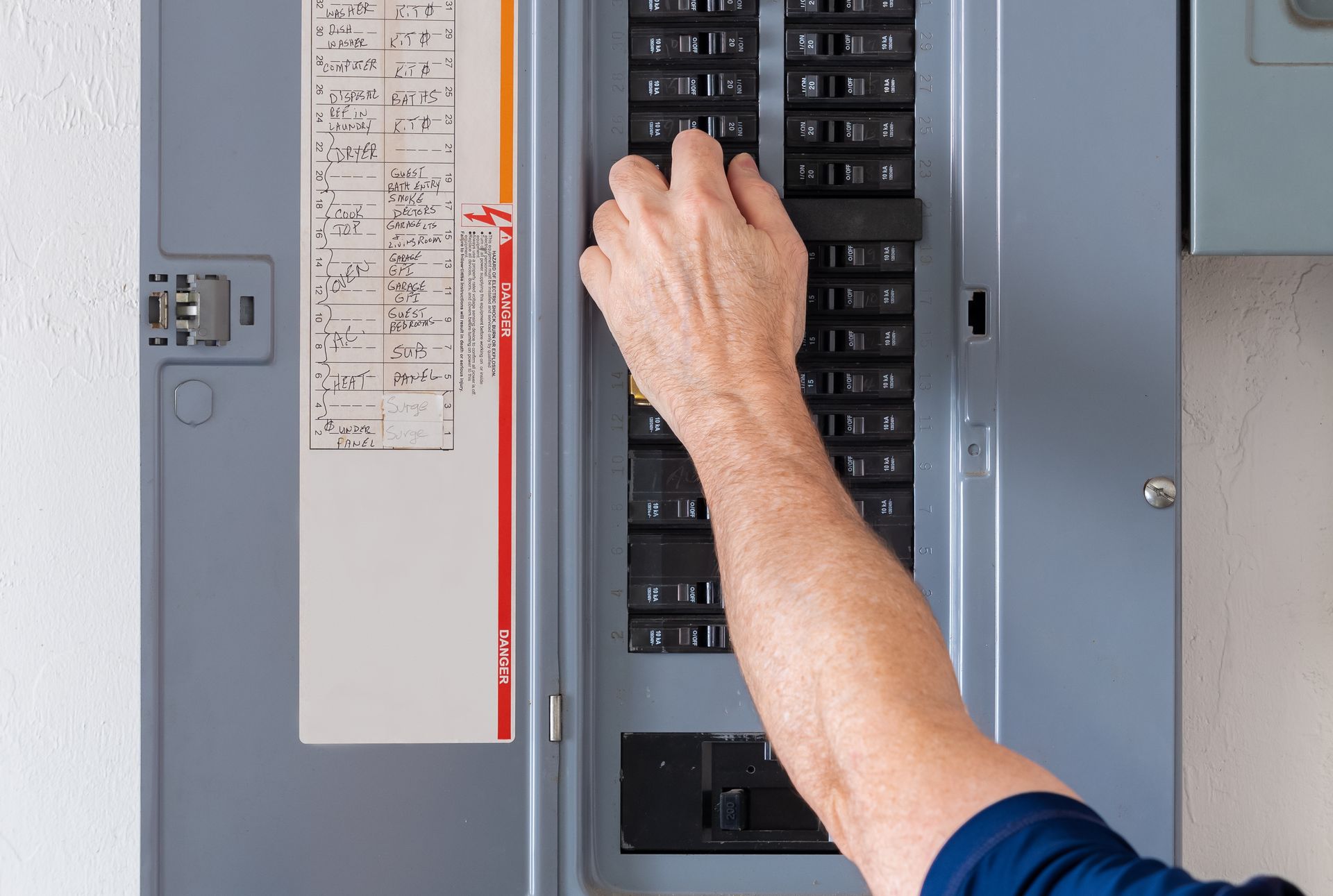
Add electrical capacity or replace outdated or damaged panel equipment when required for the charging project.
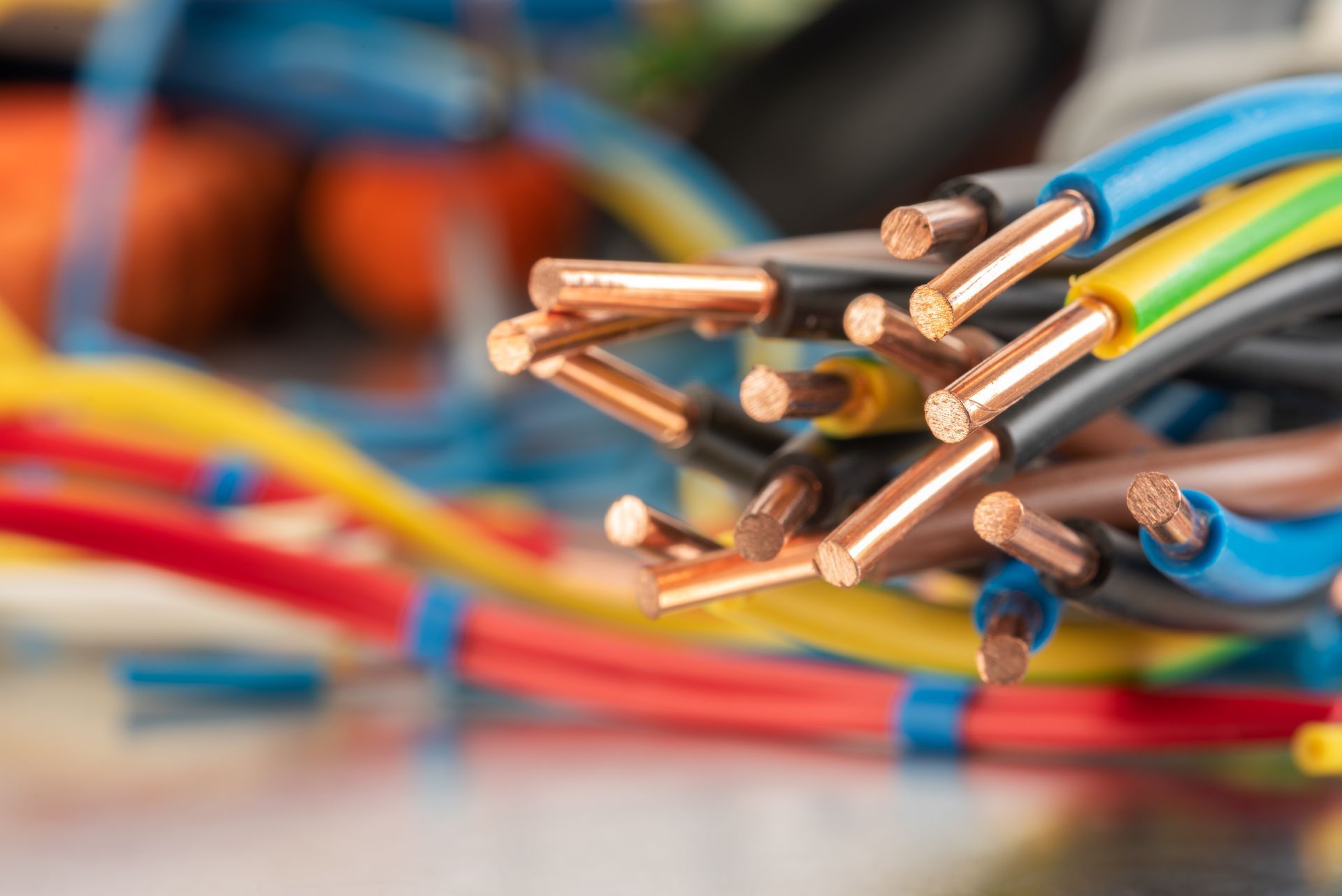
Install the wiring and dedicated circuit needed to supply the approved charging equipment.
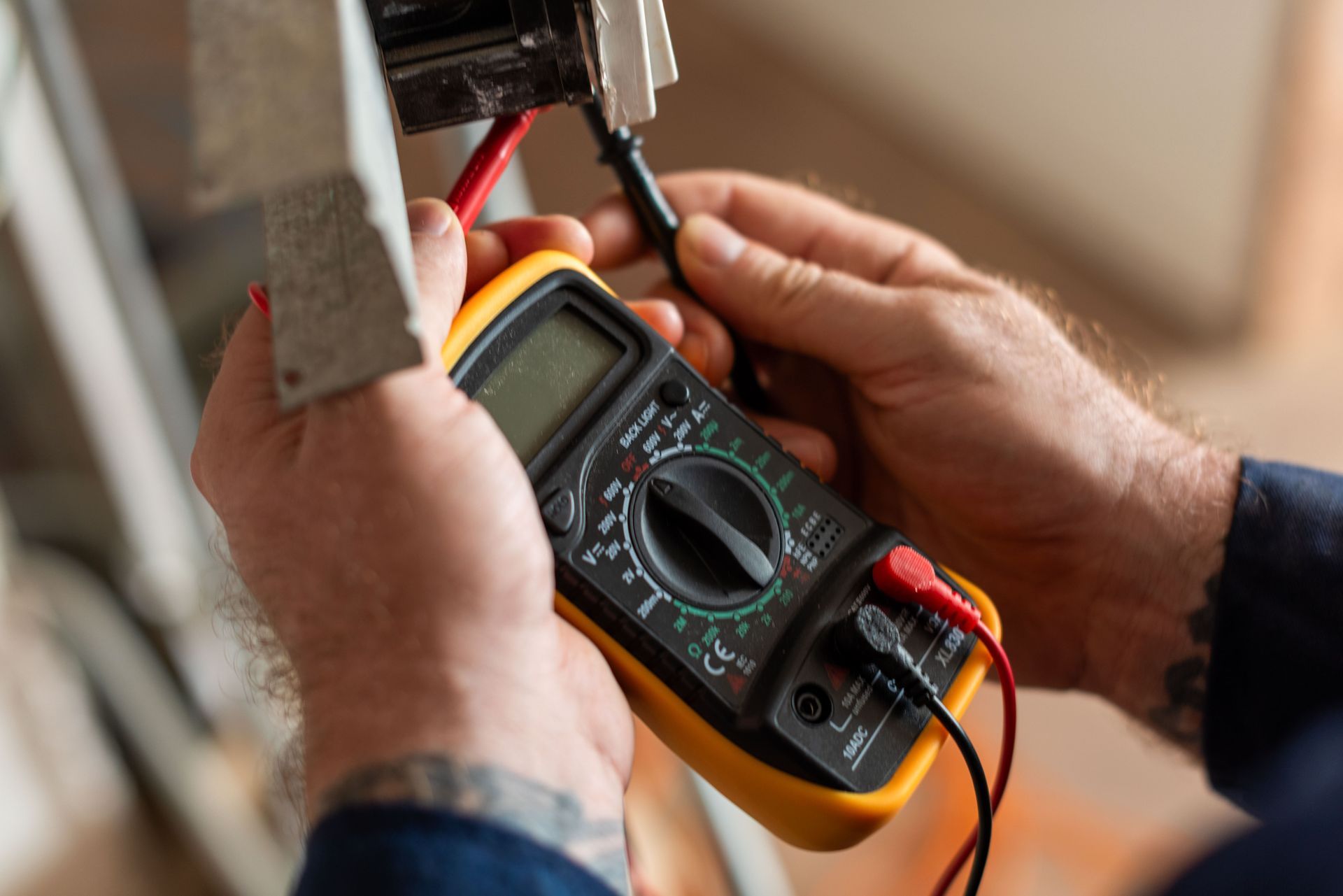
Find the cause of tripping breakers, lost power, damaged receptacles and charger circuit problems.
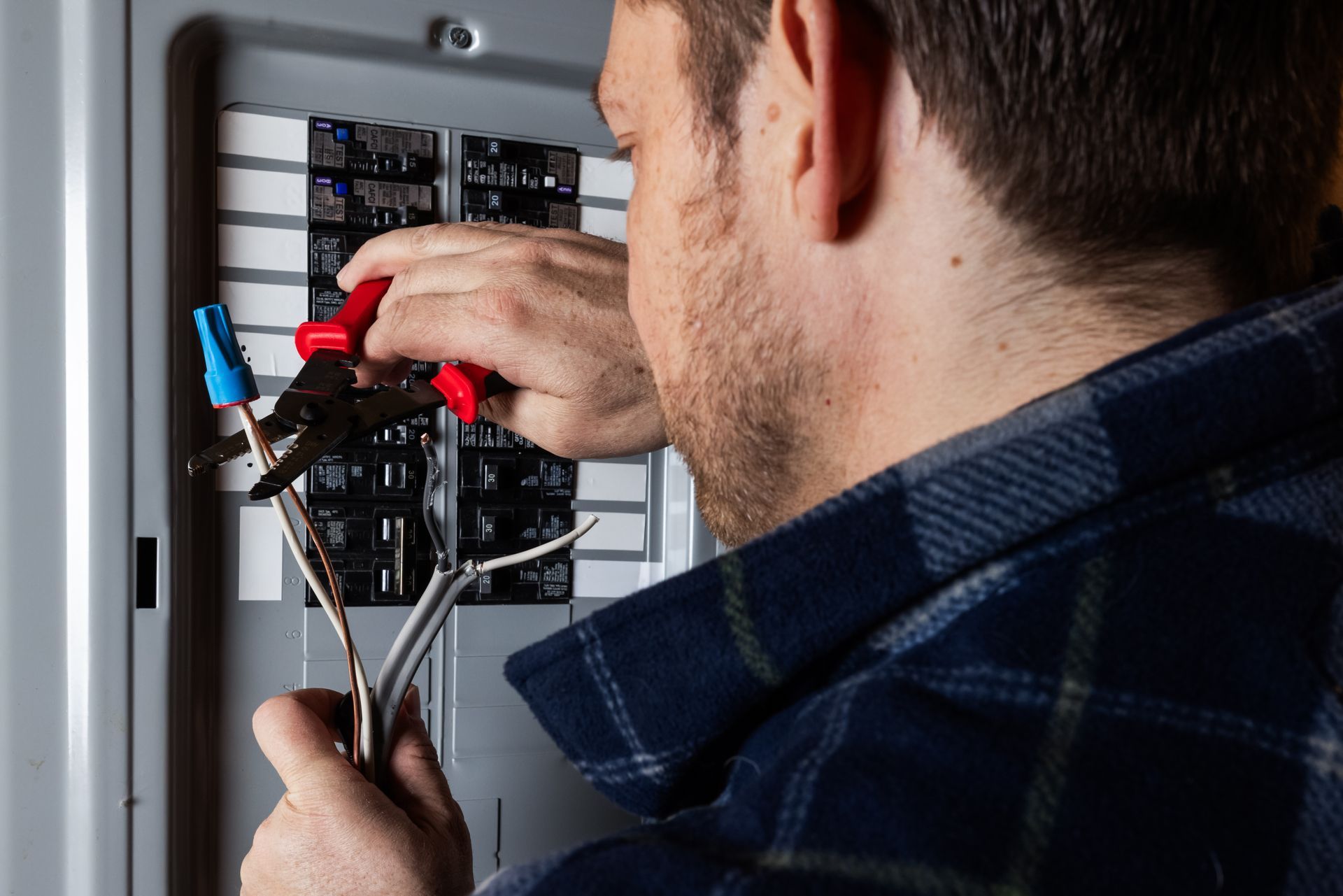
Evaluate residential electrical components and discuss protection for sensitive home equipment.
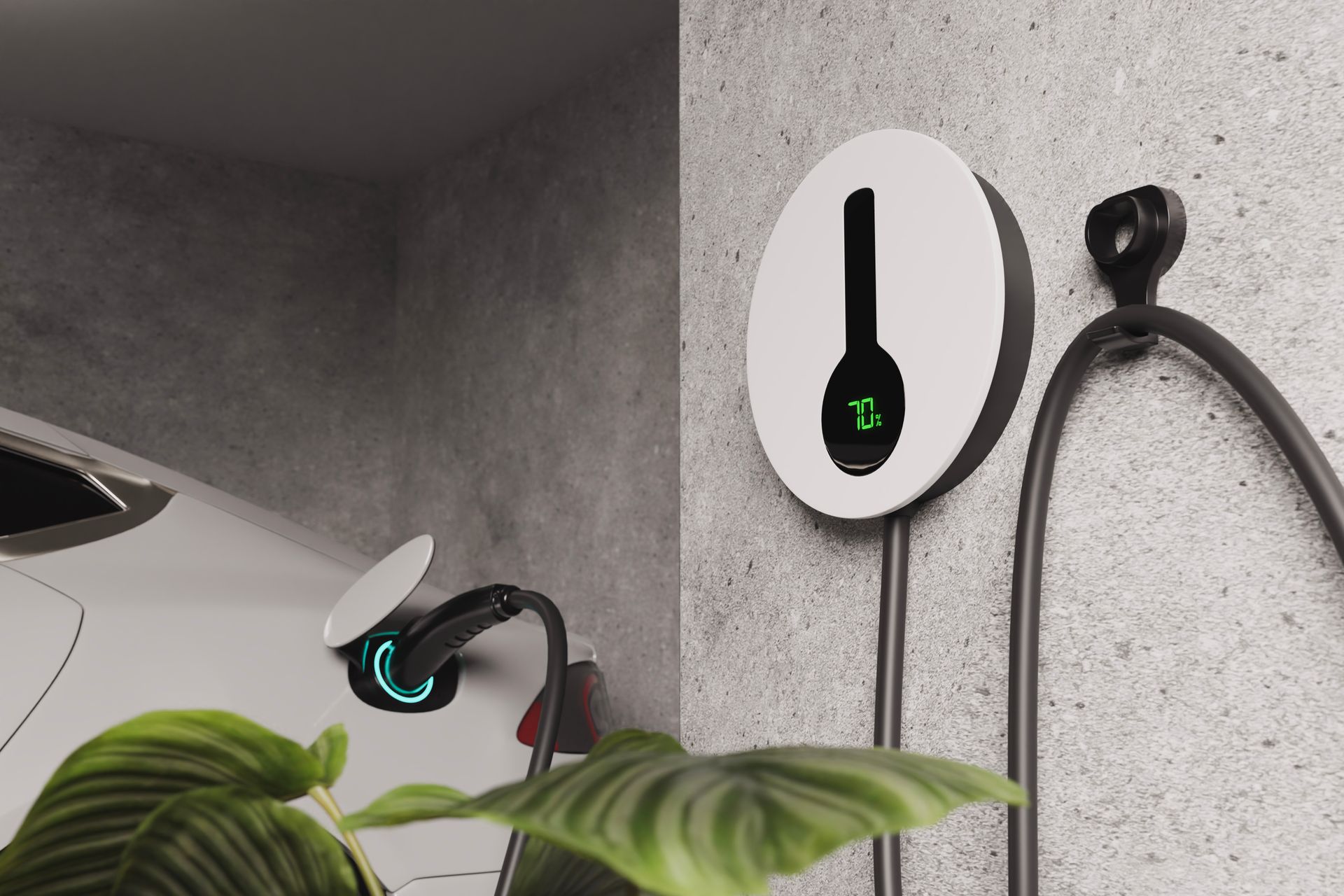
Get help with lighting, wiring, panels, generators, outdoor electrical systems and other home electrical needs.
Home EV Charger Installation Across Palm Beach and Broward Counties
Cool Cats Cooling is located in Boynton Beach and provides residential EV charger installation throughout Palm Beach and Broward Counties.
Palm Beach County Service Areas
Boynton Beach
Delray Beach
Boca Raton
Lake Worth
West Palm Beach
Wellington
Broward County Service Areas
Parkland
Coral Springs
Plantation
Weston
Lighthouse Point
Pompano Beach
Do not see your community listed? Contact Cool Cats Cooling to confirm home EV charger installation availability at your address.
Home EV Charger Electrician Serving Boynton Beach and South Florida
Homeowners searching for home EV charger installation in Boynton Beach, Delray Beach, Boca Raton, Lake Worth, West Palm Beach or Wellington can contact Cool Cats Cooling for residential charging station installation, dedicated circuits and electrical panel evaluations.
We also install residential EV charging equipment throughout Broward County, including Parkland, Coral Springs, Plantation, Weston, Lighthouse Point and Pompano Beach.
Our home EV charging services include Level 2 charger installation, garage and exterior charger placement, dedicated 240-volt circuits, hardwired and receptacle-based connections, electrical panel evaluations, panel upgrades, charger replacement and circuit troubleshooting.
Call (561) 843-9889 to request an EV charger evaluation in Palm Beach or Broward County.
Home EV Charging Station FAQs
What type of EV charger is best for home use?
Level 1 and Level 2 chargers are commonly used at home. Level 1 uses a 120-volt connection and provides slower charging. Level 2 uses a 240-volt electrical supply and is commonly selected by homeowners who need faster daily charging. The best option depends on your vehicle, daily mileage, parking schedule and home electrical capacity.
Does a Level 2 EV charger need a dedicated circuit?
Level 2 charging equipment normally requires a dedicated circuit sized for the charger and approved installation. The breaker, wiring, connection and electrical panel capacity must match the equipment specifications.
Will I need an electrical panel upgrade?
Not every EV charger installation requires a panel upgrade. Cool Cats Cooling evaluates the existing panel, available breaker space, home electrical demand and charger requirements. A panel upgrade, subpanel or service-capacity upgrade may be recommended when the current system cannot support the proposed load.
Can an EV charger be installed outside?
Yes. Charging equipment can be installed outdoors when the equipment and electrical components are approved for exterior use and installed in a suitable location. Placement should account for weather exposure, cable reach and protection from physical damage.
Should I choose a hardwired or plug-in EV charger?
The right connection depends on the charger, charging output, installation location and equipment specifications. Cool Cats Cooling can review the proposed charger and explain whether a hardwired or receptacle-based connection is appropriate.
Can Cool Cats Cooling install charging equipment for my vehicle?
Cool Cats Cooling installs residential charging equipment for many major electric vehicles and home charger brands. Provide the vehicle year, make and model, along with the charger model when available, so the electrical requirements can be reviewed.
Should I purchase a charger before contacting an electrician?
You can contact Cool Cats Cooling before purchasing charging equipment. Reviewing your vehicle, electrical panel and preferred charging location first can help you avoid selecting equipment that does not fit your home's available capacity or installation conditions.
How long does home EV charger installation take?
The schedule depends on the electrical work required. A straightforward installation may be completed during one service appointment. Projects involving panel upgrades, long wiring routes, exterior trenching, permits or additional electrical work may require more time.
Does EV charger installation require a permit?
Permit and inspection requirements vary by municipality and project scope. The installation must follow the electrical codes and requirements that apply to the property and local jurisdiction.
What affects the price of EV charger installation?
Cost factors include the charger specifications, circuit size, panel capacity, wiring distance, mounting location, connection type, permit requirements and whether a panel upgrade, subpanel, trench or other electrical improvement is needed.
Can you replace or troubleshoot an existing charger?
Yes. Cool Cats Cooling can evaluate charger circuit problems, tripping breakers, damaged receptacles, wiring issues and lost power. We can also review the existing circuit when replacing charging equipment.
Does Cool Cats Cooling guarantee its EV charger installation work?
Yes. Cool Cats Cooling provides a 100% guarantee on all completed work.
What areas does Cool Cats Cooling serve?
Cool Cats Cooling serves Palm Beach and Broward Counties, including Boynton Beach, Delray Beach, Boca Raton, Lake Worth, West Palm Beach, Wellington, Parkland, Coral Springs, Plantation, Weston, Lighthouse Point and Pompano Beach.

How Can We Help You?
Contact Us
We will get back to you as soon as possible.
Please try again later.
Home EV Charger Installation in Palm Beach and Broward Counties
Bring Convenient EV Charging Home
Let Cool Cats Cooling install the electrical connection your vehicle and home charging equipment require.
We provide Level 2 home charging station installation, dedicated 240-volt circuits, panel capacity evaluations, charger replacement and electrical troubleshooting throughout Palm Beach and Broward Counties.
Call today to discuss your vehicle, charging equipment and preferred installation location.
Keeping You Connected & Cool